
Raid and World Boss Guide: Prepare Teams, Phases, and Weekly Claims
Choose the exact encounter, difficulty, and phase before checking resistances, party order, reward pools, and the shared weekly claim limit.
Current Orbis version
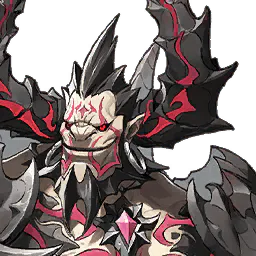
Boss preparation: The decision to make first
Start with the question you need to answer, not with a copied endgame build. The useful route is the one that matches your unlocked roster, current inventory, and next playable objective. The encounter data covers two Raids, six Raid difficulties, six field bosses, and a shared weekly Raid reward limit of three eligible claims. Bosses & Raids.
The boss and Raid workspace helps answer which encounter and difficulty the party is actually preparing for. Start with Raid or world boss mode, then select the named encounter, difficulty, and phase or form. Gawron and Ursula use an ordered difficulty chain, so a higher tier must not be planned as though it were already unlocked. Recommended power and party size provide entry context, while the selected phase supplies the combat record that should guide resistance and team checks.
Boss preparation: A reliable workflow
Use Rewards, Phases, and Resistances as separate questions. Guaranteed reward rows describe what one eligible claim awards; random pools show their draw count and selection share without promising a specific result. Phase comparison reveals changes in statistics, Super Armor recovery, or form behavior. Resistance panels distinguish status resistance, damage taken, duration, armor reduction, and break behavior where published. Preparing one selected phase avoids blending numbers from different forms into a boss profile that does not exist. Team Builder.
Select one slot at a time and read both edges around the connector. Each valid edge names the applying skill, the matched status, the consuming or activating skill, and its first unlock requirement. If the first edge works but the second breaks, keep the opener and connector fixed while checking finishers; use the reverse approach when only the opening edge is missing. Substitute suggestions are valuable because they preserve the two choices you already want to play instead of rebuilding the entire party after one failed match.
Boss preparation: How to read the evidence
Treat names, requirements, relationships, counts, and displayed values as evidence. Treat live timing, random outcomes, account-specific availability, and unlisted triggers as checks that still belong in the game. Raid claims share a weekly limit across the published Raids, so reward planning should compare the value of a claim before it is spent. Field bosses use a confirmed Orbis rotation pool and order, but the page does not invent a live timetable or claim that the highlighted boss is active now. The map link identifies the known location. Default team selections and local changes are planning inputs; they do not prove that a party meets damage, survival, positioning, or execution requirements.
A status requirement is never counted as a status output. Stack count, Transcendence, Master Skill, exclusive Karma, self-state, resource, and linked-summon requirements remain attached to the exact action variant that uses them. This prevents conditions from one variant being combined with the output of another. Bosses & Raids.
Boss preparation: Trade-offs before you invest
Compare one constraint at a time. Keeping the same target while changing only the route, hero, slot, or milestone makes the cost of that decision visible and prevents several assumptions from being mixed together. Choose a difficulty the account can unlock, inspect every phase that changes the fight, and then compare team tools against the published immunities and resistances. A hero who supports a status chain elsewhere may lose value when that control is resisted, while a safer team can be more practical than the highest theoretical damage. Reward pools should be compared after unlocks and weekly claims, not before. The workspace does not simulate final damage, enrage timing, animation windows, or live party performance.
A continuous status route helps plan who starts the exchange and who follows, but it does not rank total damage. Before investing in a new connector, check whether both relevant skills are unlocked, whether the order fits the encounter, and whether another hero can preserve the same status transition with fewer requirements. A route that is valid on paper can still be awkward when energy, cooldowns, animation time, enemy resistance, positioning, or survival interrupts it. Use the builder to narrow candidates, then test execution in the intended fight. Build Planner.
Boss preparation: Your next in-game check
Before entering, confirm quest prerequisites, previous-difficulty clears, party size, selected phase, resistance profile, and remaining weekly claim. Follow the team builder for status routes, the build planner for compatible loadouts, and the map for field-boss travel. If the current world boss or a random reward is uncertain, verify it in game rather than treating rotation order or selection share as a guarantee. Revisit the encounter after balance or reward updates; exact published rows may change even when the boss name stays the same. Team Builder.
If a route fails, inspect the broken edge and its stack or progression requirement, then try a substitute for only that slot. Open the relevant hero skill to see all of its applied states and trigger conditions. A connected route still does not prove damage, cooldown, energy, resistance, or encounter timing. Finish by writing down one next action that can be verified: open a named page, test a rotation, visit a mapped point, confirm an unlock, or update the local plan after spending materials.