Team Builder
Build a three-hero team and verify its Tag skill chain from exact status effects and activation conditions.
How the rule works
A three-hero Tag chain is directional. For each adjacent pair, the first skill must apply the status required by the next skill's enemy-target condition. The planner checks both edges and distinguishes a middle hero that continues with one skill from one that uses two different skills.
Players usually open the team builder to answer a rotation question: can one hero apply the status that the next hero needs, and can the middle hero continue that chain into the finisher? Start with the opener, connector, and finisher rather than three individually strong portraits. Barraging Spear, Shadow Grab, and Swordgrab illustrate why order matters: Airborne must be applied before it can activate the next skill, and Knockdown must exist before the final response. The useful output is a documented route, not a generic tier list.
How to use this tool
Choose the opener, connector, and finisher. Each edge shows the applying skill, matched status, triggering skill, required stacks, progression requirement, and any extra activation condition. When an edge fails, substitutes are recalculated while the other two slots stay fixed.
Select one slot at a time and read both edges around the connector. Each valid edge names the applying skill, the matched status, the consuming or activating skill, and its first unlock requirement. If the first edge works but the second breaks, keep the opener and connector fixed while checking finishers; use the reverse approach when only the opening edge is missing. Substitute suggestions are valuable because they preserve the two choices you already want to play instead of rebuilding the entire party after one failed match.
Current-version example
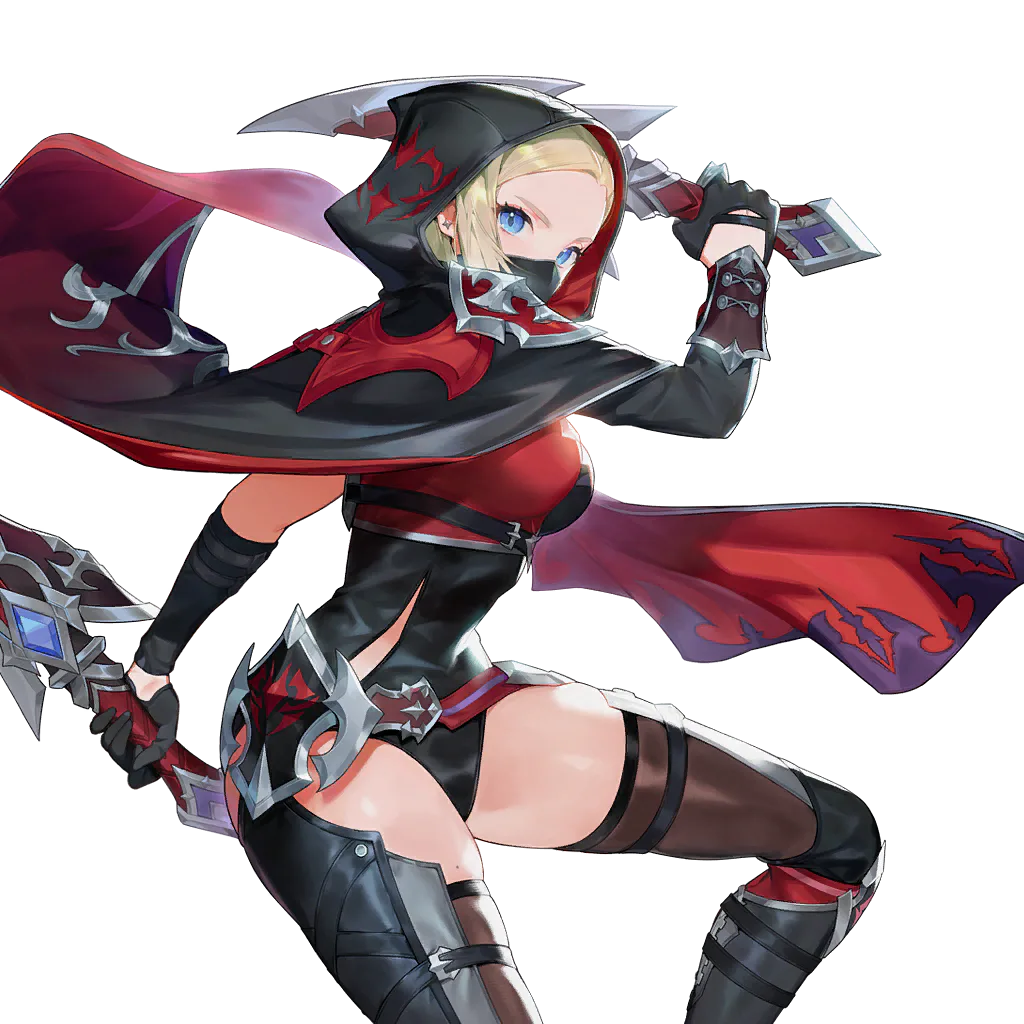
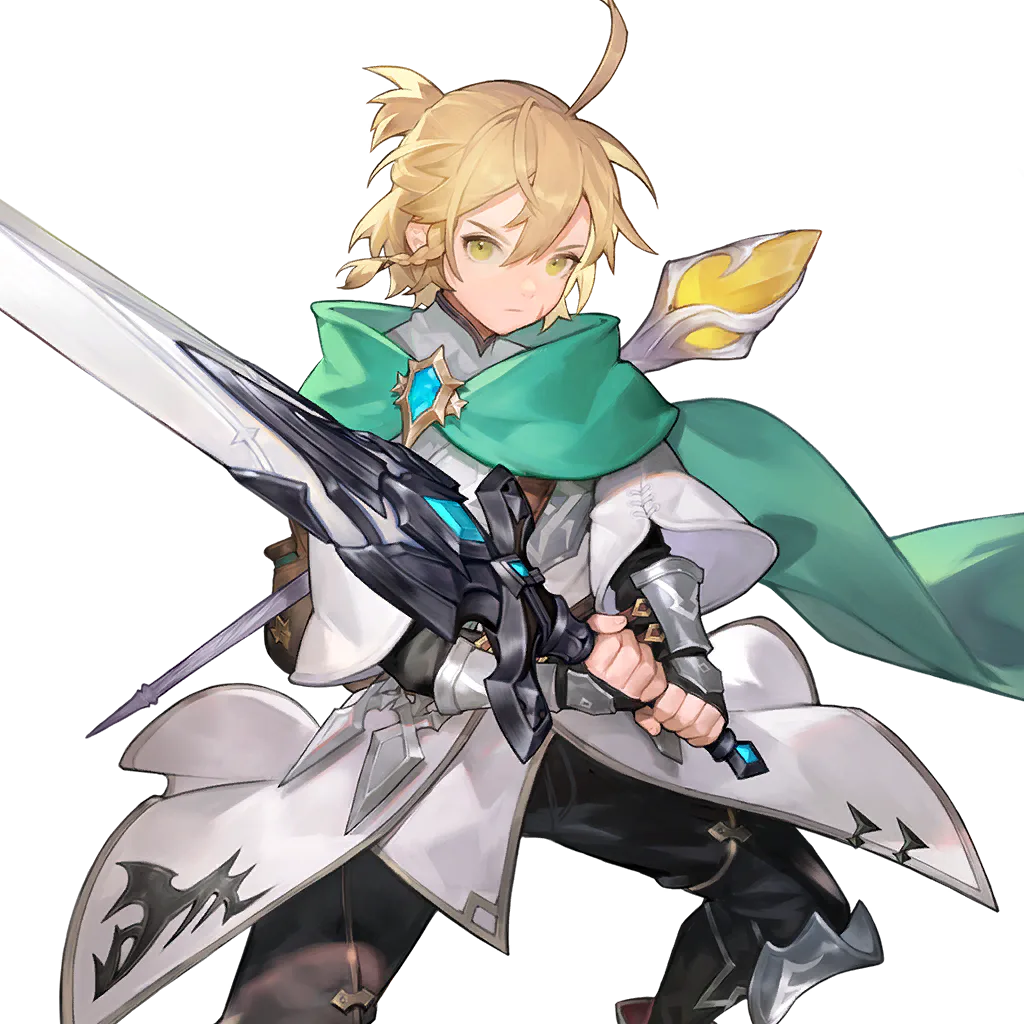
Eileen’s Barraging Spear applies Airborne. Charlotte’s Shadow Grab activates against Airborne and applies Knockdown. Lute’s Swordgrab or Relic Fall activates against Knockdown. Eileen → Charlotte → Lute is therefore a continuous three-skill route, with Shadow Grab serving as the same-skill bridge.
A status requirement is never counted as a status output. Stack count, Transcendence, Master Skill, exclusive Karma, self-state, resource, and linked-summon requirements remain attached to the exact action variant that uses them. This prevents conditions from one variant being combined with the output of another.
What the result verifies
Verified for the current data version: Heroes 19 · Skills 171 · Status 8.
A continuous status route helps plan who starts the exchange and who follows, but it does not rank total damage. Before investing in a new connector, check whether both relevant skills are unlocked, whether the order fits the encounter, and whether another hero can preserve the same status transition with fewer requirements. A route that is valid on paper can still be awkward when energy, cooldowns, animation time, enemy resistance, positioning, or survival interrupts it. Use the builder to narrow candidates, then test execution in the intended fight.
Limits and next checks
A verified route does not prove optimal damage, animation timing, energy availability, cooldown alignment, enemy resistance, survivability, or ease of execution. Multi-condition skills and encounter-specific behavior still need in-game confirmation. Use the route as evidence-backed rotation planning, not as a damage ranking.
If a route fails, inspect the broken edge and its stack or progression requirement, then try a substitute for only that slot. Open the relevant hero skill to see all of its applied states and trigger conditions. A connected route still does not prove damage, cooldown, energy, resistance, or encounter timing.
 Eileen
 Charlotte
 Lute
Lute